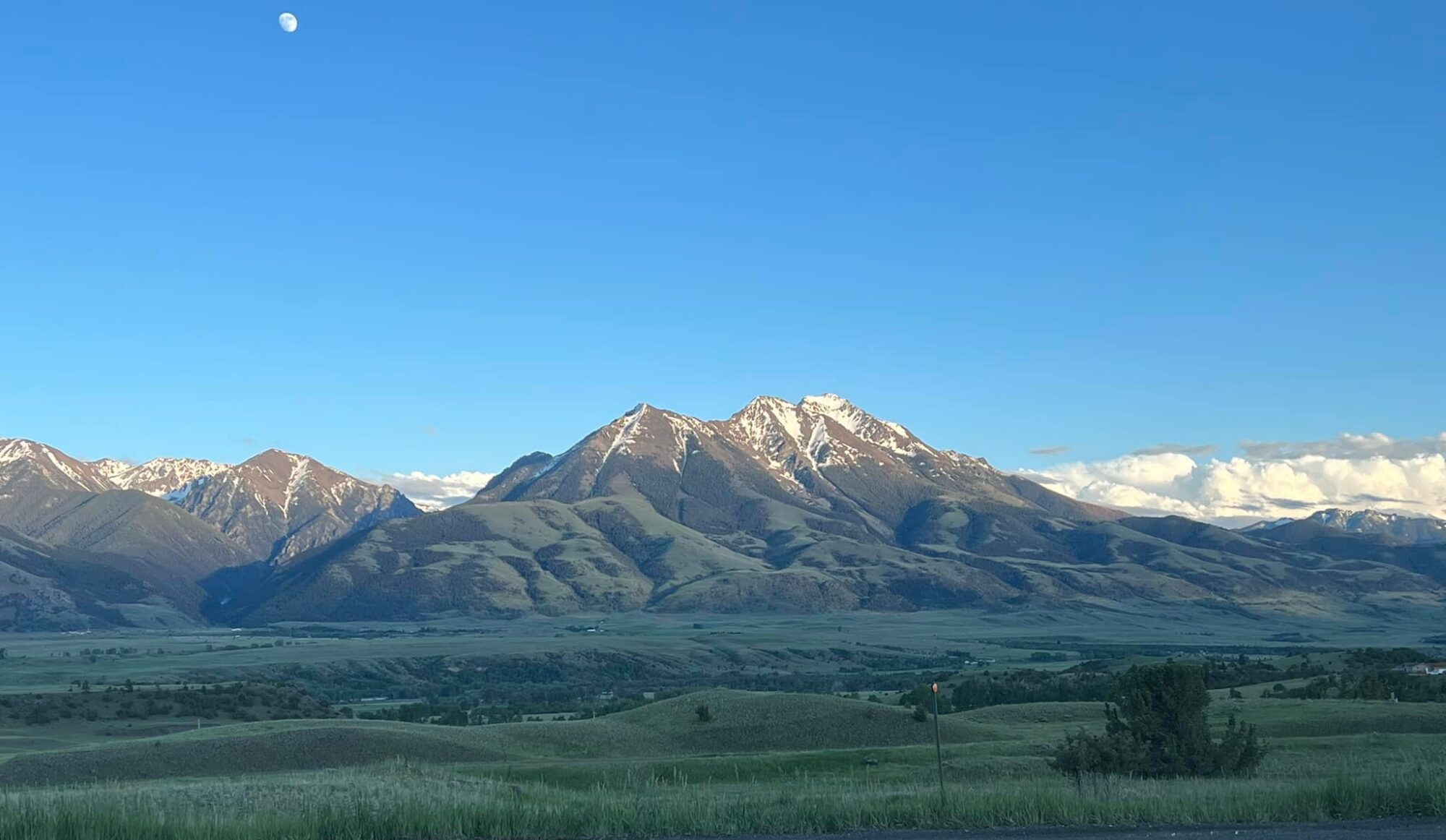
Paradise Valley, located in southwestern Montana between the Absaroka and Gallatin mountain ranges, has a rich and layered history. The area was originally inhabited by Indigenous tribes such as the Crow (Apsáalooke), who utilized the Yellowstone River and surrounding lands for hunting, fishing, and spiritual practices. The valley served as an important corridor through the Rocky Mountains, with Native peoples navigating its terrain for centuries before the arrival of Europeans.
In the early 1800s, the Lewis and Clark Expedition passed near the region, and soon after, fur trappers and mountain men were drawn to the area for its abundant wildlife. By the late 19th century, homesteaders and ranchers began to settle in Paradise Valley, attracted by the fertile land and access to the Yellowstone River. The arrival of the Northern Pacific Railway and the establishment of Yellowstone National Park in 1872 just to the south helped further develop the valley, bringing both economic opportunities and a steady flow of tourists.
In the 20th and 21st centuries, Paradise Valley evolved from a primarily agricultural area into a sought-after destination for artists, writers, and outdoor enthusiasts. Its stunning landscapes, world-class fly fishing on the Yellowstone River, and proximity to Yellowstone National Park have made it a hub for tourism and recreation. Despite modern growth, the valley retains its rustic charm and deep connection to Montana’s cultural and natural heritage.